
Advertisement
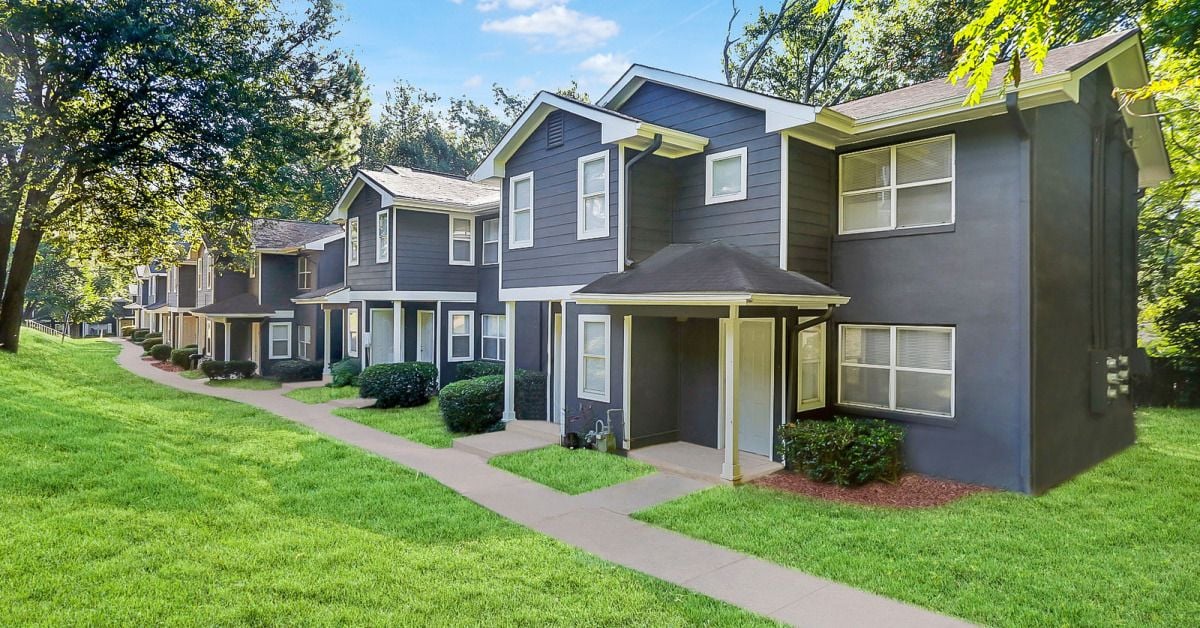
As we age, the idea of maintaining our independence while receiving the support we need becomes paramount. Independent Living Communities (ILCs) for seniors offer just that—a nurturing environment where seniors can continue to live life on their own terms, surrounded by a community that shares similar experiences and interests.
Introduction to Independent Living Communities
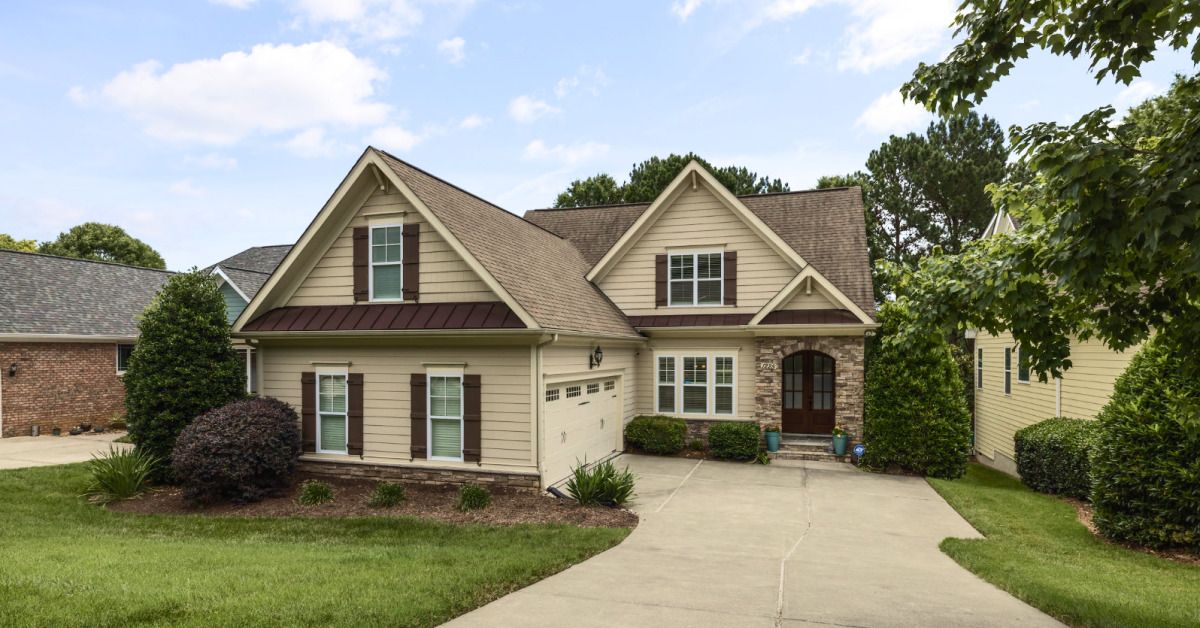
Independent Living Communities are residential facilities designed specifically for seniors who are still largely self-sufficient but appreciate the peace of mind that comes with accessible support and services. These communities provide a maintenance-free lifestyle, allowing residents to focus on their well-being and enjoyment of life rather than household chores.
The Appeal of Independent Living Communities
The appeal of ILCs lies in their comprehensive approach to senior living. Here are some of the key aspects that make these communities attractive:
1. Freedom and Privacy: Residents enjoy their own living space, with the freedom to decorate and live as they wish, akin to their previous homes.
2. Safety and Security: ILCs often include security measures such as 24-hour surveillance, emergency response systems, and controlled access to ensure residents' safety.
3. Social Opportunities: With organized social events and a community of peers, seniors can combat loneliness and make new friends.
4. Accessibility to Amenities: On-site amenities such as restaurants, fitness centers, and recreational facilities provide convenience and promote an active lifestyle.
5. Health and Wellness Programs: Many ILCs offer wellness programs, including exercise classes, health screenings, and access to healthcare professionals.
The Benefits of Independent Living Communities
Beyond the tangible amenities, ILCs offer numerous intangible benefits that contribute to the overall well-being of seniors:
1. Enhanced Social Life: The community setting naturally fosters social interactions, reducing the risk of isolation.
2. Personal Growth: With ample free time, seniors can pursue hobbies, learn new skills, and engage in lifelong learning opportunities.
3. Family Peace of Mind: Knowing that a loved one is in a safe and supportive environment eases the minds of family members.
4. Customized Living: ILCs often provide various levels of care services that can be adjusted according to individual needs.
Choosing the Right Community
Selecting the right ILC is a personal decision that should consider several factors:
1. Location: Proximity to family and friends, as well as the surrounding community and its amenities, is important.
2. Financial Considerations: It's crucial to understand the cost of living in the community, including any additional services or amenities.
3. Lifestyle Fit: The community should align with the resident's lifestyle and interests.
4. Future Care Needs: Consider whether the community can provide additional care services should the resident's needs change over time.
Adapting to Independent Living
Transitioning to an ILC is a significant life change, and it's essential to approach it with a positive mindset:
1. Be Open to Change: Embrace the new environment and the opportunities it presents.
2. Stay Active: Participate in community activities and engage with neighbors.
3. Maintain Connections: Keep in touch with family and friends outside the community.
4. Seek Support: If needed, don't hesitate to reach out to community staff for assistance.
Conclusion
To sum up, independent Living Communities are more than just residences; they are vibrant communities designed to celebrate and support the senior years. They offer a unique blend of independence, social engagement, and security that can significantly enhance the quality of life for seniors. As the concept of retirement living evolves, ILCs stand out as a progressive and empowering choice for seniors who wish to live life to the fullest, surrounded by a community that values the same. And when more and more old people choose independent living communities, it also means the progress of the society because the problem of supporting old people is no more just belong to government, it also needs the participation of social aspects.