
Advertisement
Access to affordable housing is a critical issue facing many communities across the country. Skyrocketing rents, stagnant wages, and a shortage of low-income housing options have left millions of Americans struggling to keep a roof over their heads. One potential solution that has gained increased attention in recent years is the subsidized apartment.
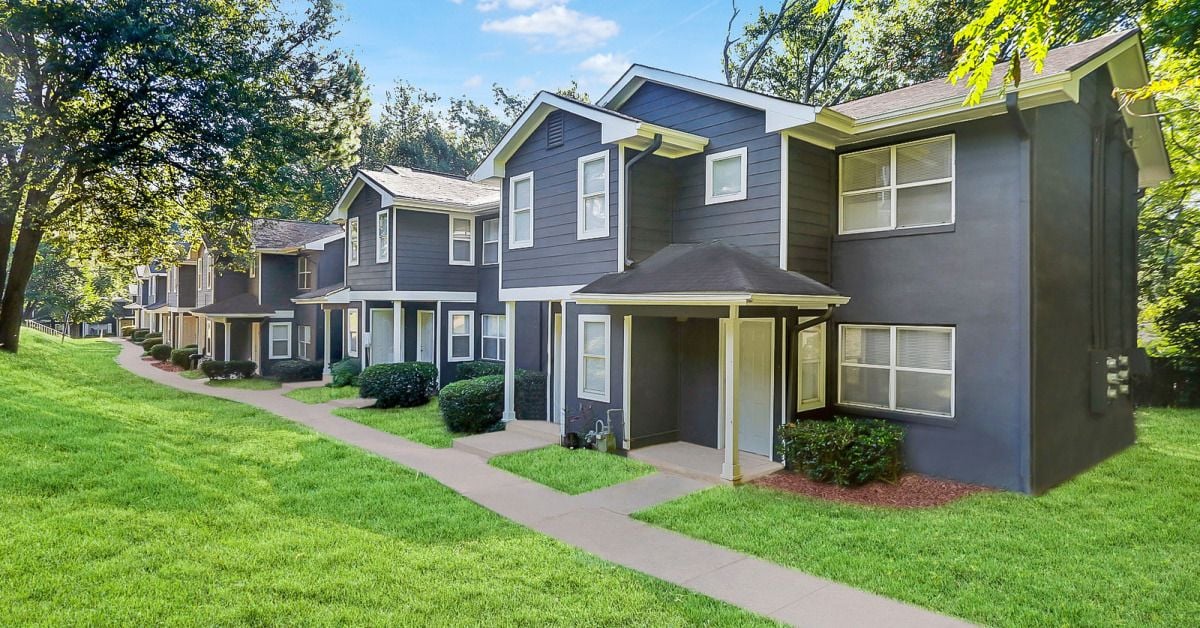
Subsidized apartments, also known as income-restricted or income-based housing, are rental units where the cost is lowered through government assistance or other subsidies. This makes them more accessible to low-income individuals and families who would otherwise be priced out of the private rental market.
The subsidies come in various forms. Some properties receive direct funding from federal, state, or local housing programs that allow them to charge reduced rents. Others utilize tax credits or other incentives that enable owners to offer below-market rate units. Tenants in subsidized apartments generally pay no more than 30% of their monthly income towards rent and utilities.
The benefits of subsidized housing are manifold. For starters, it provides stable, high-quality living situations for those who might otherwise end up in substandard or overcrowded conditions. Studies have shown that access to affordable housing can have positive ripple effects, improving health outcomes, academic performance, and overall quality of life for low-income residents.
Subsidized apartments can also inject much-needed affordability into tight housing markets. In many urban areas where real estate prices have spiraled out of control, subsidized units help ensure there are still options available for teachers, service workers, seniors on fixed incomes, and other essential members of the community. This can prevent displacement and preserve the diversity of a neighborhood.
From the government's perspective, investing in subsidized housing can be a cost-effective way to address homelessness and housing insecurity. Providing stable, affordable homes is often cheaper in the long run than shouldering the societal burden of chronic homelessness, which can strain public services like emergency medical care, law enforcement, and social services.
Of course, subsidized apartments are not a silver bullet for the affordable housing crisis. There is an enormous unmet need, with wait lists for many properties stretching years. Funding for new construction and preservation of existing units has not kept pace with demand. And some subsidized developments have been criticized for poor upkeep or being concentrated in high-poverty neighborhoods.
Additionally, the eligibility requirements for subsidized housing can be complex and confusing, making it difficult for many low-income individuals to access the limited supply. There are often income caps, asset limits, and other criteria that tenants must meet - and proving qualification can be an arduous process.
Despite these challenges, subsidized apartments remain a crucial component of the affordable housing landscape. Policymakers, developers, and community leaders continue to explore ways to expand and improve these programs to better serve those in need.
Some promising innovations include leveraging public-private partnerships, integrating subsidized units into mixed-income communities, and pairing housing assistance with wraparound support services. There are also efforts underway to streamline application processes and broaden eligibility criteria.
Ultimately, solving the affordable housing crisis will require a multi-pronged approach encompassing subsidized apartments, as well as other interventions like rental assistance, zoning reform, and investments in new construction. But for now, subsidized housing stands out as one of the most impactful tools available to provide safe, stable, and affordable homes to lower-income individuals and families. As communities continue to grapple with skyrocketing rents and limited housing options, the role of subsidized apartments will only grow more crucial. With thoughtful policymaking and strategic investment, these vital programs can help ensure that having a roof over one's head is not a luxury, but a basic human right.