
Advertisement
As the population of older adults continues to grow rapidly in many countries, the demand for housing options tailored to their unique needs and preferences has never been higher. One increasingly popular solution is the rise of seniors living apartments - specially designed residential complexes that allow older adults to maintain their independence and quality of life in a supportive, age-friendly environment.
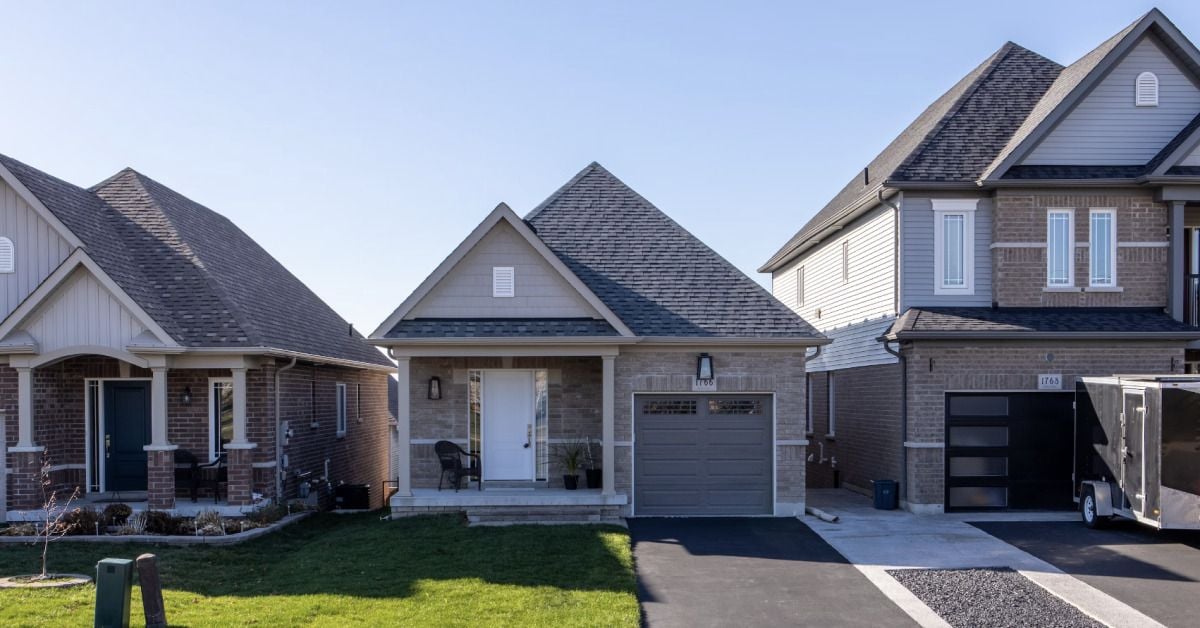
The concept of seniors living apartments, also known as independent living communities or retirement apartments, has evolved significantly in recent years. These developments go far beyond the traditional nursing homes or assisted living facilities of the past. Instead, they offer a vibrant, amenity-rich lifestyle that empowers older adults to live autonomously while having access to helpful services and social engagement opportunities.
One of the key draws of seniors living apartments is the ability for residents to "age in place." Rather than being forced to relocate as their needs change over time, these communities are designed to accommodate a wide range of functional abilities. They may provide features like single-level floor plans, wide hallways and doorways, walk-in showers, and emergency call systems - enabling residents to safely navigate their homes as they grow older. Crucially, on-site staff are also available to assist with tasks such as housekeeping, transportation, and even basic health monitoring if required.
Beyond the physical aspects, seniors living apartments also focus heavily on cultivating an enriching social environment. Shared amenities like fitness centers, activity rooms, and communal dining areas encourage residents to stay active and engaged with their peers. Many communities also organize regular social events, classes, and outings to stimulate the mind and foster a sense of community. This emphasis on wellness and socialization is pivotal, as issues like loneliness and isolation are all too common among older adults living independently.
Of course, the specific features and offerings of seniors living apartments can vary widely depending on the developer, location, and target demographic. Higher-end "luxury" communities, for instance, may provide upscale finishes, gourmet dining, and sophisticated programming, while more affordable options prioritize practical necessities. Nevertheless, the core goal remains the same: to empower older adults to live autonomously while enjoying the peace of mind that comes with round-the-clock support and age-friendly design.
For many seniors, the decision to downsize from a family home into a seniors living apartment is a significant lifestyle shift. However, the benefits often outweigh the challenges. Residents frequently report improved physical and mental health, reduced household responsibilities, and a stronger sense of community - all of which contribute to an enhanced quality of life. Additionally, the semi-independent nature of these communities can be a financially savvy choice, as the monthly fees may be lower than the combined costs of home ownership, healthcare, and in-home care.
As the baby boomer generation continues to reach retirement age, the seniors living apartment sector is poised for continued growth and innovation. Developers are constantly exploring new design concepts, programming ideas, and technological solutions to better meet the evolving needs and preferences of older adults. Smart home features, specialized memory care units, and intergenerational programming are just a few examples of the exciting trends emerging in this dynamic industry.
Ultimately, the rise of seniors living apartments represents a pivotal shift in how society approaches aging. Rather than viewing older adulthood as a time of decline, these communities celebrate the unique strengths and aspirations of seniors, empowering them to live vibrant, fulfilling lives on their own terms. As the older population continues to grow, these innovative housing solutions will undoubtedly play an increasingly vital role in supporting healthy, independent aging.